Clasa Java.io.ObjectOutputStream în Java | Setul 2
Clasa Java.io.ObjectOutputStream în Java | Setul 1 Mai multe metode:
- Un obiect scris prin writeUnshared este întotdeauna serializat în același mod ca un obiect nou apărut (un obiect care nu a fost încă scris în flux), indiferent dacă obiectul a fost sau nu scris anterior.
- Dacă writeObject este folosit pentru a scrie un obiect care a fost scris anterior cu writeUnshared, operația anterioară writeUnshared este tratată ca și cum ar fi o scriere a unui obiect separat. Cu alte cuvinte, ObjectOutputStream nu va genera niciodată referințe înapoi la datele obiectelor scrise prin apeluri la writeUnshared.
Syntax : public void write(byte[] buf) throws IOException Parameters: buf - the data to be written Throws: IOException
Syntax : public void write(byte[] buf int off int len) throws IOException Parameters: buf - the data to be written off - the start offset in the data len - the number of bytes that are written Throws: IOException
Syntax : public void write(int val) throws IOException Parameters: val - the byte to be written to the stream Throws: IOException
Syntax : public void writeBoolean(boolean val) throws IOException Parameters: val - the boolean to be written Throws: IOException
Syntax : public void writeByte(int val) throws IOException Parameters: val - the byte value to be written Throws: IOException
Syntax : public void writeBytes(String str) throws IOException Parameters: str - the String of writeBytes to be written Throws: IOException
Syntax : public void writeChar(int val) throws IOException Parameters: val - the char value to be written Throws: IOException
Syntax : public void writeChars(String str) throws IOException Parameters: str - the String of chars to be written Throws: IOException
Syntax : protected void writeClassDescriptor(ObjectStreamClass desc) throws IOException Parameters: desc - class descriptor to write to the stream Throws: IOException
Syntax : public void writeDouble(double val) throws IOException Parameters: val - the double value to be written Throws: IOException
Syntax : public void writeFields() throws IOException Throws: IOException NotActiveException
Syntax : public void writeFloat(float val) throws IOException Parameters: val - the float value to be written Throws: IOException
Syntax : public void writeInt(int val) throws IOException Parameters: val - the integer value to be written Throws: IOException
Syntax : public void writeLong(long val) throws IOException Parameters: val - the long value to be written Throws: IOException
Syntax : public final void writeObject(Object obj) throws IOException Parameters: obj - the object to be written Throws: InvalidClassException NotSerializableException IOException
Syntax : protected void writeObjectOverride(Object obj) throws IOException Parameters: obj - object to be written to the underlying stream Throws: IOException
Syntax : public void writeShort(int val) throws IOException Parameters: val - the short value to be written Throws: IOException
Syntax : protected void writeStreamHeader() throws IOException Throws: IOException
Syntax : public void writeUnshared(Object obj) throws IOException Parameters: obj - object to write to stream Throws: NotSerializableException InvalidClassException IOException
Syntax : public void writeUTF(String str) throws IOException Parameters: str - the String to be written Throws: IOException
Syntax : public void flush() throws IOException Throws: IOExceptionProgram: Java
//Java program demonstrating ObjectOutputStream //write methods import java.io.* ; class ObjectOutputStreamDemo { public static void main ( String [] args ) throws IOException ClassNotFoundException { FileOutputStream fout = new FileOutputStream ( 'file.txt' ); ObjectOutputStream oot = new ObjectOutputStream ( fout ); String a = 'GeeksforGeeks' ; String b = 'Geek' ; byte [] be = { 'A' 'B' 'C' }; //illustrating write() oot . write ( 1 ); //illustrating writeInt(int i) oot . writeInt ( 1 ); //illustrating writeBoolean(boolean a) oot . writeBoolean ( true ); //illustrating writeObject(Object x) oot . writeObject ( a ); //illustrating writeByte(byte a) oot . writeByte ( 65 ); //illustrating writeBytes(String b) oot . writeBytes ( b ); //illustrating writeDouble(double d) oot . writeDouble ( 2.3 ); //illustrating writeUTF(String str) oot . writeUTF ( a ); //illustrating writeFloat(float x) oot . writeFloat ( 2.42f ); //illustrating writeLone(long x) oot . writeLong ( 234342347908l ); //illustrating writeChars(String a) oot . writeChars ( a ); //illustrating writeShort(int val) oot . writeShort ( 2 ); //illustrating write(byte[] buff) oot . write ( be ); //flushing the stream oot . flush (); oot . close (); byte c []= new byte [ 4 ] ; char c1 []= new char [ 13 ] ; FileInputStream fin = new FileInputStream ( 'file.txt' ); ObjectInputStream oit = new ObjectInputStream ( fin ); System . out . println ( oit . read ()); System . out . println ( oit . readInt ()); System . out . println ( oit . readBoolean ()); System . out . println ( oit . readObject ()); System . out . println ( oit . readByte ()); oit . read ( c ); for ( int i = 0 ; i < 4 ; i ++ ) { System . out . print (( char ) c [ i ] ); } System . out . println (); System . out . println ( oit . readDouble ()); System . out . println ( oit . readUTF ()); System . out . println ( oit . readFloat ()); System . out . println ( oit . readLong ()); for ( int i = 0 ; i < 13 ; i ++ ) { System . out . print ( oit . readChar ()); } System . out . println (); System . out . println ( oit . readShort ()); oit . readFully ( be ); for ( int i = 0 ; i < 3 ; i ++ ) { System . out . print (( char ) be [ i ] ); } oit . close (); } }
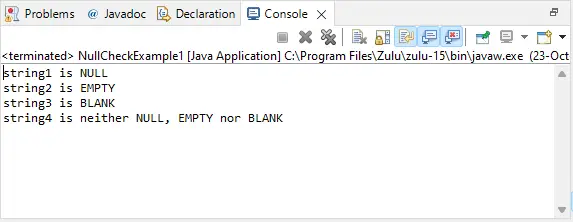
Ieșire: 1 1 true GeeksforGeeks 65 Geek 2.3 GeeksforGeeks 2.42 234342347908 GeeksforGeeks 2 ABCProgramul 2: Java
//Java program illustrating ObjectOutputStream //write methods import java.io.* ; class ObjectOutputStreamDemo { public static void main ( String [] args ) throws IOException ClassNotFoundException { FileOutputStream out = new FileOutputStream ( 'file.txt' ); ObjectOutputStream oout = new ObjectOutputStream ( out ); oout . writeObject ( new demo ()); //illustrating writeUnshared() //Writes an 'unshared' object to the ObjectOutputStream. oout . writeUnshared ( 14 ); //flush the stream oout . flush (); oout . close (); FileInputStream fin = new FileInputStream ( 'file.txt' ); ObjectInputStream ois = new ObjectInputStream ( fin ); // read an object from the stream and cast it to demo demo obj = ( demo ) ois . readObject (); System . out . println ( obj . var ); System . out . println ( ois . readUnshared ()); } } class demo implements Serializable { static int var = 25; // assign a new serialPersistentFields private static final ObjectStreamField [] serialPersistentFields = { new ObjectStreamField ( 'var' Integer . TYPE ) }; private void readObject ( ObjectInputStream in ) throws IOException ClassNotFoundException { // makes them available by name. ObjectInputStream . GetField fields = in . readFields (); //Get the value of the named int field from the persistent field. var = fields . get ( 'var' 0 ); } private void writeObject ( ObjectOutputStream out ) throws IOException { // write into the ObjectStreamField array the variable string ObjectOutputStream . PutField fields = out . putFields (); fields . put ( 'var' var ); //Write the buffered fields to the stream out . writeFields (); } }
Ieșire: 25 14Creați un test
S-Ar Putea Să Vă Placă

Top Articole