Implementowanie listy połączonej w Javie przy użyciu klasy
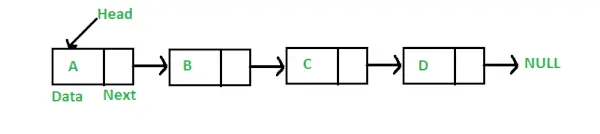
Warunek wstępny: Podobnie jak tablice, lista połączona jest liniową strukturą danych. W przeciwieństwie do tablic, połączone elementy listy nie są przechowywane w ciągłym miejscu, elementy są łączone za pomocą wskaźników, jak pokazano poniżej.
W Javie LinkedList można przedstawić jako klasę, a węzeł jako oddzielną klasę. Klasa LinkedList zawiera referencję typu klasy Node.
Jawa
class> LinkedList {> > Node head;> // head of list> > /* Linked list Node*/> > static> class> Node {> > int> data;> > Node next;> > // Constructor to create a new node> > // Next is by default initialized> > // as null> > Node(> int> d) { data = d; }> > }> }> |
Tworzenie i wstawianie:
W tym artykule wstawienie do listy odbywa się na końcu, czyli nowy węzeł dodawany jest po ostatnim węźle danej Listy Powiązanej. Na przykład, jeśli dana Lista Połączona to 5->10->15->20->25 i ma zostać wstawione 30, to Lista Połączona będzie miała postać 5->10->15->20->25->30 .
Ponieważ lista połączona jest zwykle reprezentowana przez jej wskaźnik nagłówka, wymagane jest przejście przez listę do ostatniego węzła, a następnie zmiana przedostatniego węzła na nowy węzeł.

Realizacja:
Jawa
import> java.io.*;> > // Java program to implement> // a Singly Linked List> public> class> LinkedList {> > > Node head;> // head of list> > > // Linked list Node.> > // This inner class is made static> > // so that main() can access it> > static> class> Node {> > > int> data;> > Node next;> > > // Constructor> > Node(> int> d)> > {> > data = d;> > next => null> ;> > }> > }> > > // Method to insert a new node> > public> static> LinkedList insert(LinkedList list,> int> data)> > {> > // Create a new node with given data> > Node new_node => new> Node(data);> > > > // If the Linked List is empty,> > // then make the new node as head> > if> (list.head ==> null> ) {> > list.head = new_node;> > }> > else> {> > // Else traverse till the last node> > // and insert the new_node there> > Node last = list.head;> > while> (last.next !=> null> ) {> > last = last.next;> > }> > > // Insert the new_node at last node> > last.next = new_node;> > }> > > // Return the list by head> > return> list;> > }> > > // Method to print the LinkedList.> > public> static> void> printList(LinkedList list)> > {> > Node currNode = list.head;> > > System.out.print(> 'LinkedList: '> );> > > // Traverse through the LinkedList> > while> (currNode !=> null> ) {> > // Print the data at current node> > System.out.print(currNode.data +> ' '> );> > > // Go to next node> > currNode = currNode.next;> > }> > }> > > // Driver code> > public> static> void> main(String[] args)> > {> > /* Start with the empty list. */> > LinkedList list => new> LinkedList();> > > //> > // ******INSERTION******> > //> > > // Insert the values> > list = insert(list,> 1> );> > list = insert(list,> 2> );> > list = insert(list,> 3> );> > list = insert(list,> 4> );> > list = insert(list,> 5> );> > list = insert(list,> 6> );> > list = insert(list,> 7> );> > list = insert(list,> 8> );> > > // Print the LinkedList> > printList(list);> > }> }> |
Wyjście
LinkedList: 1 2 3 4 5 6 7 8
Przejście: Poniżej znajduje się funkcja ogólnego przeznaczenia printList(), która wyświetla dowolną listę poprzez przechodzenie po liście od węzła głównego do ostatniego.
Realizacja:
Jawa
import> java.io.*;> // Java program to implement> // a Singly Linked List> public> class> LinkedList {> > Node head;> // head of list> > // Linked list Node.> > // Node is a static nested class> > // so main() can access it> > static> class> Node {> > int> data;> > Node next;> > // Constructor> > Node(> int> d)> > {> > data = d;> > next => null> ;> > }> > }> > // Method to insert a new node> > public> static> LinkedList insert(LinkedList list,> > int> data)> > {> > // Create a new node with given data> > Node new_node => new> Node(data);> > new_node.next => null> ;> > // If the Linked List is empty,> > // then make the new node as head> > if> (list.head ==> null> ) {> > list.head = new_node;> > }> > else> {> > // Else traverse till the last node> > // and insert the new_node there> > Node last = list.head;> > while> (last.next !=> null> ) {> > last = last.next;> > }> > // Insert the new_node at last node> > last.next = new_node;> > }> > // Return the list by head> > return> list;> > }> > // Method to print the LinkedList.> > public> static> void> printList(LinkedList list)> > {> > Node currNode = list.head;> > System.out.print(> 'LinkedList: '> );> > // Traverse through the LinkedList> > while> (currNode !=> null> ) {> > // Print the data at current node> > System.out.print(currNode.data +> ' '> );> > // Go to next node> > currNode = currNode.next;> > }> > }> > // **************MAIN METHOD**************> > // method to create a Singly linked list with n nodes> > public> static> void> main(String[] args)> > {> > /* Start with the empty list. */> > LinkedList list => new> LinkedList();> > //> > // ******INSERTION******> > //> > // Insert the values> > list = insert(list,> 1> );> > list = insert(list,> 2> );> > list = insert(list,> 3> );> > list = insert(list,> 4> );> > list = insert(list,> 5> );> > list = insert(list,> 6> );> > list = insert(list,> 7> );> > list = insert(list,> 8> );> > // Print the LinkedList> > printList(list);> > }> }> |
Wyjście
LinkedList: 1 2 3 4 5 6 7 8
Usuwanie według klucza:
Proces usuwania można rozumieć w następujący sposób:
Do zrobienia:
Biorąc pod uwagę „klucz”, usuń pierwsze wystąpienie tego klucza na połączonej liście .
Jak to zrobić:
Aby usunąć węzeł z połączonej listy, wykonaj następujące kroki.
- Wyszukaj klucz pod kątem jego pierwszego wystąpienia na liście
- Teraz może wystąpić dowolny z 3 warunków:
- Przypadek 1: Klucz znajduje się w głowa
- W takim przypadku zmień nagłówek węzła na następny węzeł bieżącego nagłówka.
- Zwolnij pamięć wymienionego węzła głównego.
- Przypadek 2: Klucz znajduje się pośrodku lub na końcu, z wyjątkiem głowa
- W takim przypadku znajdź poprzedni węzeł węzła, który ma zostać usunięty.
- Zmień następny poprzedni węzeł na następny węzeł bieżącego węzła.
- Zwolnij pamięć zastępowanego węzła.
- Przypadek 3: Klucz nie został znaleziony na liście
- W takim przypadku nie trzeba wykonywać żadnych operacji.

Realizacja:
Jawa
import> java.io.*;> // Java program to implement> // a Singly Linked List> public> class> LinkedList {> > Node head;> // head of list> > // Linked list Node.> > // Node is a static nested class> > // so main() can access it> > static> class> Node {> > int> data;> > Node next;> > // Constructor> > Node(> int> d)> > {> > data = d;> > next => null> ;> > }> > }> > // Method to insert a new node> > public> static> LinkedList insert(LinkedList list,> > int> data)> > {> > // Create a new node with given data> > Node new_node => new> Node(data);> > new_node.next => null> ;> > // If the Linked List is empty,> > // then make the new node as head> > if> (list.head ==> null> ) {> > list.head = new_node;> > }> > else> {> > // Else traverse till the last node> > // and insert the new_node there> > Node last = list.head;> > while> (last.next !=> null> ) {> > last = last.next;> > }> > // Insert the new_node at last node> > last.next = new_node;> > }> > // Return the list by head> > return> list;> > }> > // Method to print the LinkedList.> > public> static> void> printList(LinkedList list)> > {> > Node currNode = list.head;> > System.out.print(> 'LinkedList: '> );> > // Traverse through the LinkedList> > while> (currNode !=> null> ) {> > // Print the data at current node> > System.out.print(currNode.data +> ' '> );> > // Go to next node> > currNode = currNode.next;> > }> > System.out.println();> > }> > // **************DELETION BY KEY**************> > // Method to delete a node in the LinkedList by KEY> > public> static> LinkedList deleteByKey(LinkedList list,> > int> key)> > {> > // Store head node> > Node currNode = list.head, prev => null> ;> > //> > // CASE 1:> > // If head node itself holds the key to be deleted> > if> (currNode !=> null> && currNode.data == key) {> > list.head = currNode.next;> // Changed head> > // Display the message> > System.out.println(key +> ' found and deleted'> );> > // Return the updated List> > return> list;> > }> > //> > // CASE 2:> > // If the key is somewhere other than at head> > //> > // Search for the key to be deleted,> > // keep track of the previous node> > // as it is needed to change currNode.next> > while> (currNode !=> null> && currNode.data != key) {> > // If currNode does not hold key> > // continue to next node> > prev = currNode;> > currNode = currNode.next;> > }> > // If the key was present, it should be at currNode> > // Therefore the currNode shall not be null> > if> (currNode !=> null> ) {> > // Since the key is at currNode> > // Unlink currNode from linked list> > prev.next = currNode.next;> > // Display the message> > System.out.println(key +> ' found and deleted'> );> > }> > //> > // CASE 3: The key is not present> > //> > // If key was not present in linked list> > // currNode should be null> > if> (currNode ==> null> ) {> > // Display the message> > System.out.println(key +> ' not found'> );> > }> > // return the List> > return> list;> > }> > // **************MAIN METHOD**************> > // method to create a Singly linked list with n nodes> > public> static> void> main(String[] args)> > {> > /* Start with the empty list. */> > LinkedList list => new> LinkedList();> > //> > // ******INSERTION******> > //> > // Insert the values> > list = insert(list,> 1> );> > list = insert(list,> 2> );> > list = insert(list,> 3> );> > list = insert(list,> 4> );> > list = insert(list,> 5> );> > list = insert(list,> 6> );> > list = insert(list,> 7> );> > list = insert(list,> 8> );> > // Print the LinkedList> > printList(list);> > //> > // ******DELETION BY KEY******> > //> > // Delete node with value 1> > // In this case the key is ***at head***> > deleteByKey(list,> 1> );> > // Print the LinkedList> > printList(list);> > // Delete node with value 4> > // In this case the key is present ***in the> > // middle***> > deleteByKey(list,> 4> );> > // Print the LinkedList> > printList(list);> > // Delete node with value 10> > // In this case the key is ***not present***> > deleteByKey(list,> 10> );> > // Print the LinkedList> > printList(list);> > }> }> |
Wyjście
LinkedList: 1 2 3 4 5 6 7 8 1 found and deleted LinkedList: 2 3 4 5 6 7 8 4 found and deleted LinkedList: 2 3 5 6 7 8 10 not found LinkedList: 2 3 5 6 7 8
Usunięcie na pozycji:
Ten proces usuwania można rozumieć w następujący sposób:
Do zrobienia:
Dawać 'pozycja' , usuń węzeł w tej pozycji z połączonej listy .
Jak to zrobić:
Aby to zrobić, wykonaj następujące czynności:
- Przemierzaj listę, licząc indeksy węzłów
- Dla każdego indeksu dopasuj indeks tak, aby był taki sam jak pozycja
- Teraz może wystąpić dowolny z 3 warunków:
- Przypadek 1: Pozycja wynosi 0, czyli głowica ma zostać usunięta
- W takim przypadku zmień nagłówek węzła na następny węzeł bieżącego nagłówka.
- Zwolnij pamięć wymienionego węzła głównego.
- Przypadek 2: Pozycja jest większa niż 0, ale mniejsza niż rozmiar listy, tj. w środku lub na końcu, z wyjątkiem nagłówka
- W takim przypadku Znajdź poprzedni węzeł węzła, który ma zostać usunięty.
- Zmień następny z poprzedniego węzła na następny węzeł bieżącego węzła.
- Zwolnij pamięć wymienionego węzła.
- Przypadek 3: Pozycja jest większa niż rozmiar listy, tj. pozycja nie została znaleziona na liście
- W takim przypadku nie trzeba wykonywać żadnych operacji.
Realizacja:
Jawa
import> java.io.*;> // Java program to implement> // a Singly Linked List> public> class> LinkedList {> > Node head;> // head of list> > // Linked list Node.> > // Node is a static nested class> > // so main() can access it> > static> class> Node {> > int> data;> > Node next;> > // Constructor> > Node(> int> d)> > {> > data = d;> > next => null> ;> > }> > }> > // Method to insert a new node> > public> static> LinkedList insert(LinkedList list,> > int> data)> > {> > // Create a new node with given data> > Node new_node => new> Node(data);> > new_node.next => null> ;> > // If the Linked List is empty,> > // then make the new node as head> > if> (list.head ==> null> ) {> > list.head = new_node;> > }> > else> {> > // Else traverse till the last node> > // and insert the new_node there> > Node last = list.head;> > while> (last.next !=> null> ) {> > last = last.next;> > }> > // Insert the new_node at last node> > last.next = new_node;> > }> > // Return the list by head> > return> list;> > }> > // Method to print the LinkedList.> > public> static> void> printList(LinkedList list)> > {> > Node currNode = list.head;> > System.out.print(> 'LinkedList: '> );> > // Traverse through the LinkedList> > while> (currNode !=> null> ) {> > // Print the data at current node> > System.out.print(currNode.data +> ' '> );> > // Go to next node> > currNode = currNode.next;> > }> > System.out.println();> > }> > // Method to delete a node in the LinkedList by POSITION> > public> static> LinkedList> > deleteAtPosition(LinkedList list,> int> index)> > {> > // Store head node> > Node currNode = list.head, prev => null> ;> > //> > // CASE 1:> > // If index is 0, then head node itself is to be> > // deleted> > if> (index ==> 0> && currNode !=> null> ) {> > list.head = currNode.next;> // Changed head> > // Display the message> > System.out.println(> > index +> ' position element deleted'> );> > // Return the updated List> > return> list;> > }> > //> > // CASE 2:> > // If the index is greater than 0 but less than the> > // size of LinkedList> > //> > // The counter> > int> counter => 0> ;> > // Count for the index to be deleted,> > // keep track of the previous node> > // as it is needed to change currNode.next> > while> (currNode !=> null> ) {> > if> (counter == index) {> > // Since the currNode is the required> > // position Unlink currNode from linked list> > prev.next = currNode.next;> > // Display the message> > System.out.println(> > index +> ' position element deleted'> );> > break> ;> > }> > else> {> > // If current position is not the index> > // continue to next node> > prev = currNode;> > currNode = currNode.next;> > counter++;> > }> > }> > // If the position element was found, it should be> > // at currNode Therefore the currNode shall not be> > // null> > //> > // CASE 3: The index is greater than the size of the> > // LinkedList> > //> > // In this case, the currNode should be null> > if> (currNode ==> null> ) {> > // Display the message> > System.out.println(> > index +> ' position element not found'> );> > }> > // return the List> > return> list;> > }> > // **************MAIN METHOD**************> > // method to create a Singly linked list with n nodes> > public> static> void> main(String[] args)> > {> > /* Start with the empty list. */> > LinkedList list => new> LinkedList();> > //> > // ******INSERTION******> > //> > // Insert the values> > list = insert(list,> 1> );> > list = insert(list,> 2> );> > list = insert(list,> 3> );> > list = insert(list,> 4> );> > list = insert(list,> 5> );> > list = insert(list,> 6> );> > list = insert(list,> 7> );> > list = insert(list,> 8> );> > // Print the LinkedList> > printList(list);> > //> > // ******DELETION AT POSITION******> > //> > // Delete node at position 0> > // In this case the key is ***at head***> > deleteAtPosition(list,> 0> );> > // Print the LinkedList> > printList(list);> > // Delete node at position 2> > // In this case the key is present ***in the> > // middle***> > deleteAtPosition(list,> 2> );> > // Print the LinkedList> > printList(list);> > // Delete node at position 10> > // In this case the key is ***not present***> > deleteAtPosition(list,> 10> );> > // Print the LinkedList> > printList(list);> > }> }> |
Wyjście
LinkedList: 1 2 3 4 5 6 7 8 0 position element deleted LinkedList: 2 3 4 5 6 7 8 2 position element deleted LinkedList: 2 3 5 6 7 8 10 position element not found LinkedList: 2 3 5 6 7 8
Wszystkie operacje:
Poniżej znajduje się kompletny program, który stosuje każdą operację razem:
Jawa
import> java.io.*;> // Java program to implement> // a Singly Linked List> public> class> LinkedList {> > Node head;> // head of list> > // Linked list Node.> > // Node is a static nested class> > // so main() can access it> > static> class> Node {> > int> data;> > Node next;> > // Constructor> > Node(> int> d)> > {> > data = d;> > next => null> ;> > }> > }> > // **************INSERTION**************> > // Method to insert a new node> > public> static> LinkedList insert(LinkedList list,> > int> data)> > {> > // Create a new node with given data> > Node new_node => new> Node(data);> > new_node.next => null> ;> > // If the Linked List is empty,> > // then make the new node as head> > if> (list.head ==> null> ) {> > list.head = new_node;> > }> > else> {> > // Else traverse till the last node> > // and insert the new_node there> > Node last = list.head;> > while> (last.next !=> null> ) {> > last = last.next;> > }> > // Insert the new_node at last node> > last.next = new_node;> > }> > // Return the list by head> > return> list;> > }> > // **************TRAVERSAL**************> > // Method to print the LinkedList.> > public> static> void> printList(LinkedList list)> > {> > Node currNode = list.head;> > System.out.print(> '
LinkedList: '> );> > // Traverse through the LinkedList> > while> (currNode !=> null> ) {> > // Print the data at current node> > System.out.print(currNode.data +> ' '> );> > // Go to next node> > currNode = currNode.next;> > }> > System.out.println(> '
'> );> > }> > // **************DELETION BY KEY**************> > // Method to delete a node in the LinkedList by KEY> > public> static> LinkedList deleteByKey(LinkedList list,> > int> key)> > {> > // Store head node> > Node currNode = list.head, prev => null> ;> > //> > // CASE 1:> > // If head node itself holds the key to be deleted> > if> (currNode !=> null> && currNode.data == key) {> > list.head = currNode.next;> // Changed head> > // Display the message> > System.out.println(key +> ' found and deleted'> );> > // Return the updated List> > return> list;> > }> > //> > // CASE 2:> > // If the key is somewhere other than at head> > //> > // Search for the key to be deleted,> > // keep track of the previous node> > // as it is needed to change currNode.next> > while> (currNode !=> null> && currNode.data != key) {> > // If currNode does not hold key> > // continue to next node> > prev = currNode;> > currNode = currNode.next;> > }> > // If the key was present, it should be at currNode> > // Therefore the currNode shall not be null> > if> (currNode !=> null> ) {> > // Since the key is at currNode> > // Unlink currNode from linked list> > prev.next = currNode.next;> > // Display the message> > System.out.println(key +> ' found and deleted'> );> > }> > //> > // CASE 3: The key is not present> > //> > // If key was not present in linked list> > // currNode should be null> > if> (currNode ==> null> ) {> > // Display the message> > System.out.println(key +> ' not found'> );> > }> > // return the List> > return> list;> > }> > // **************DELETION AT A POSITION**************> > // Method to delete a node in the LinkedList by POSITION> > public> static> LinkedList> > deleteAtPosition(LinkedList list,> int> index)> > {> > // Store head node> > Node currNode = list.head, prev => null> ;> > //> > // CASE 1:> > // If index is 0, then head node itself is to be> > // deleted> > if> (index ==> 0> && currNode !=> null> ) {> > list.head = currNode.next;> // Changed head> > // Display the message> > System.out.println(> > index +> ' position element deleted'> );> > // Return the updated List> > return> list;> > }> > //> > // CASE 2:> > // If the index is greater than 0 but less than the> > // size of LinkedList> > //> > // The counter> > int> counter => 0> ;> > // Count for the index to be deleted,> > // keep track of the previous node> > // as it is needed to change currNode.next> > while> (currNode !=> null> ) {> > if> (counter == index) {> > // Since the currNode is the required> > // position Unlink currNode from linked list> > prev.next = currNode.next;> > // Display the message> > System.out.println(> > index +> ' position element deleted'> );> > break> ;> > }> > else> {> > // If current position is not the index> > // continue to next node> > prev = currNode;> > currNode = currNode.next;> > counter++;> > }> > }> > // If the position element was found, it should be> > // at currNode Therefore the currNode shall not be> > // null> > //> > // CASE 3: The index is greater than the size of the> > // LinkedList> > //> > // In this case, the currNode should be null> > if> (currNode ==> null> ) {> > // Display the message> > System.out.println(> > index +> ' position element not found'> );> > }> > // return the List> > return> list;> > }> > // **************MAIN METHOD**************> > // method to create a Singly linked list with n nodes> > public> static> void> main(String[] args)> > {> > /* Start with the empty list. */> > LinkedList list => new> LinkedList();> > //> > // ******INSERTION******> > //> > // Insert the values> > list = insert(list,> 1> );> > list = insert(list,> 2> );> > list = insert(list,> 3> );> > list = insert(list,> 4> );> > list = insert(list,> 5> );> > list = insert(list,> 6> );> > list = insert(list,> 7> );> > list = insert(list,> 8> );> > // Print the LinkedList> > printList(list);> > //> > // ******DELETION BY KEY******> > //> > // Delete node with value 1> > // In this case the key is ***at head***> > deleteByKey(list,> 1> );> > // Print the LinkedList> > printList(list);> > // Delete node with value 4> > // In this case the key is present ***in the> > // middle***> > deleteByKey(list,> 4> );> > // Print the LinkedList> > printList(list);> > // Delete node with value 10> > // In this case the key is ***not present***> > deleteByKey(list,> 10> );> > // Print the LinkedList> > printList(list);> > //> > // ******DELETION AT POSITION******> > //> > // Delete node at position 0> > // In this case the key is ***at head***> > deleteAtPosition(list,> 0> );> > // Print the LinkedList> > printList(list);> > // Delete node at position 2> > // In this case the key is present ***in the> > // middle***> > deleteAtPosition(list,> 2> );> > // Print the LinkedList> > printList(list);> > // Delete node at position 10> > // In this case the key is ***not present***> > deleteAtPosition(list,> 10> );> > // Print the LinkedList> > printList(list);> > }> }> |
Wyjście
LinkedList: 1 2 3 4 5 6 7 8 1 found and deleted LinkedList: 2 3 4 5 6 7 8 4 found and deleted LinkedList: 2 3 5 6 7 8 10 not found LinkedList: 2 3 5 6 7 8 0 position element deleted LinkedList: 3 5 6 7 8 2 position element deleted LinkedList: 3 5 7 8 10 position element not found LinkedList: 3 5 7 8